SSU discovers 6 more instances of russia using depleted uranium munitions in Chernihiv region
SSU Counterintelligence and investigators have documented new instances of russia’s use of ammunition containing depleted uranium elements against Ukraine. The hazardous components were detected in ‘Geran-2’ strike UAVs, which the ruscists used to attack Chernihiv region from April to June 2026.
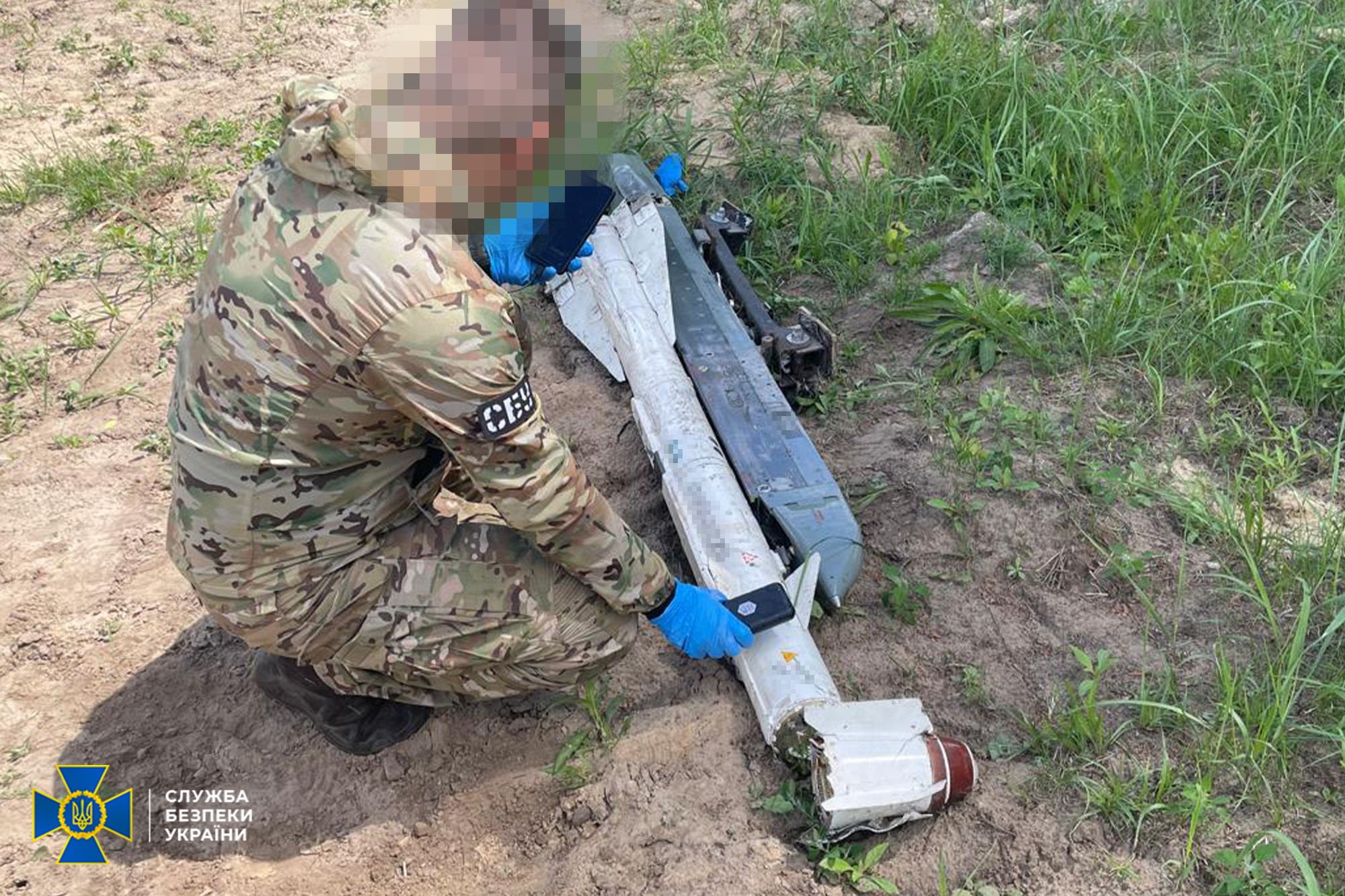
The investigation revealed that the enemy uses radioactive elements in R-60M missiles, which have been adapted for use on their UAVs.
During inspections of the russian drone strike sites and radiological examinations of their warheads, the investigative team and State Emergency Service specialists recorded radiation levels 80 times higher than natural background levels.
At the same time, the gamma radiation level of certain enemy drone debris ranged from 8.3 to 24 μSv/h, compared to the permissible safety limit of 0.3 μSv/h. Such radiation levels pose a direct threat to human health and the environment.
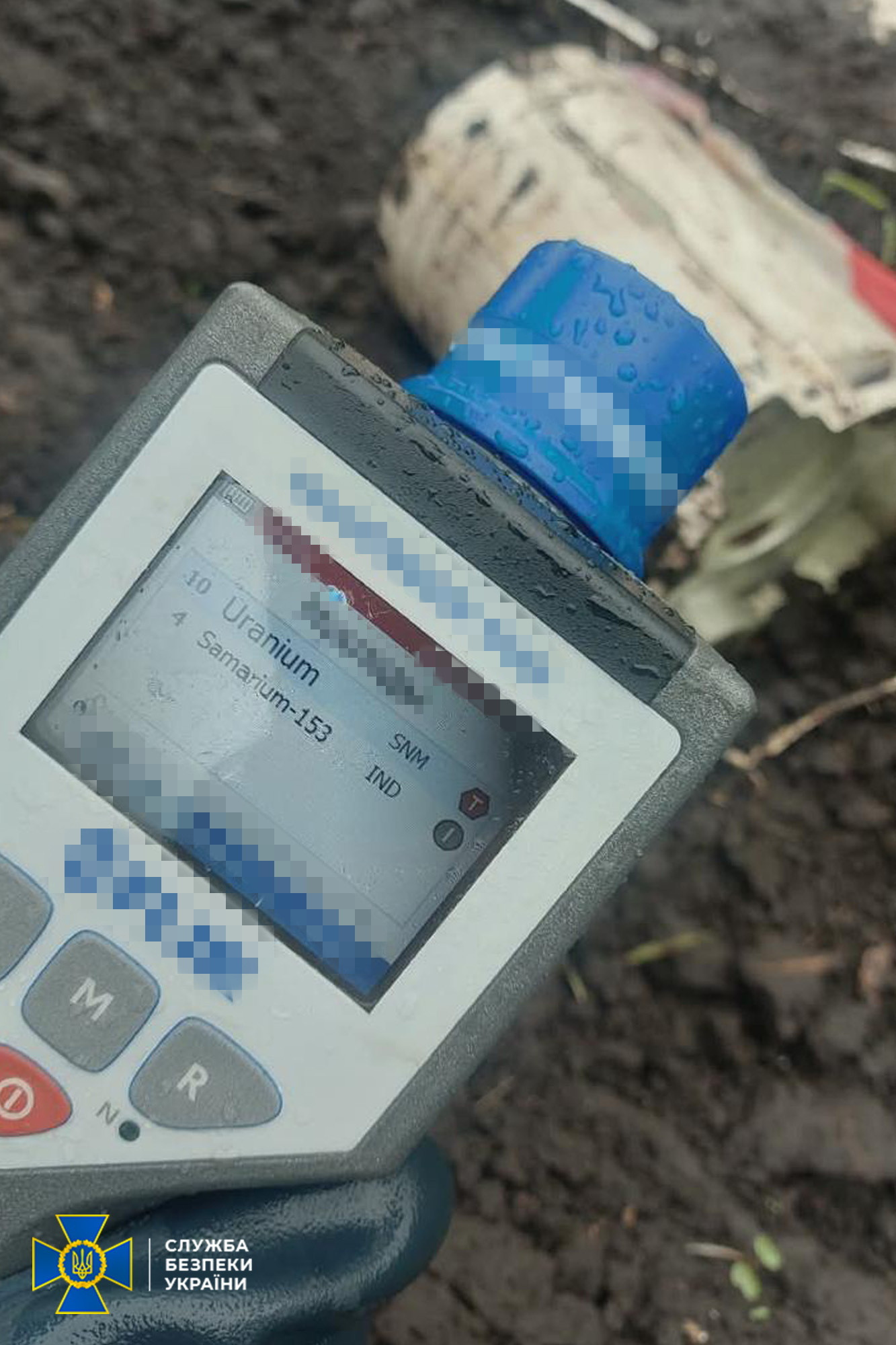
According to the results of an examination initiated by the SSU, it was determined that the missile warheads contain nuclear material identified as Uranium-234, Uranium-235, and Uranium-238.
The presence of radioactive components was confirmed using dosimetric equipment and a mobile automated radiological system.
Following the discovery and examination of the hazardous munitions, comprehensive measures were taken to neutralize them and protect civilians.
SSU investigators have opened a criminal case based on these facts under Article 438 of the CCU (war crimes).
The Security Service of Ukraine (SSU) once again urges citizens to exercise caution if they encounter debris from UAVs, missiles, or other munitions.
Under no circumstances should you approach, touch, or move such objects. Move to a safe distance and immediately report the discovery by calling the following hotlines: SSU – 15-16, State Emergency Service – 101, or National Police – 102.
The investigation is ongoing under the procedural supervision of the Chernihiv Region Prosecutor’s Office.