SSU and National Police detain another four suspects attempting to establish illicit arms trade in Ukraine
The Security Service of Ukraine, in cooperation with the National Police, has foiled new attempts to illegally sell ‘trophy’ weapons and ammunition in several regions of Ukraine.
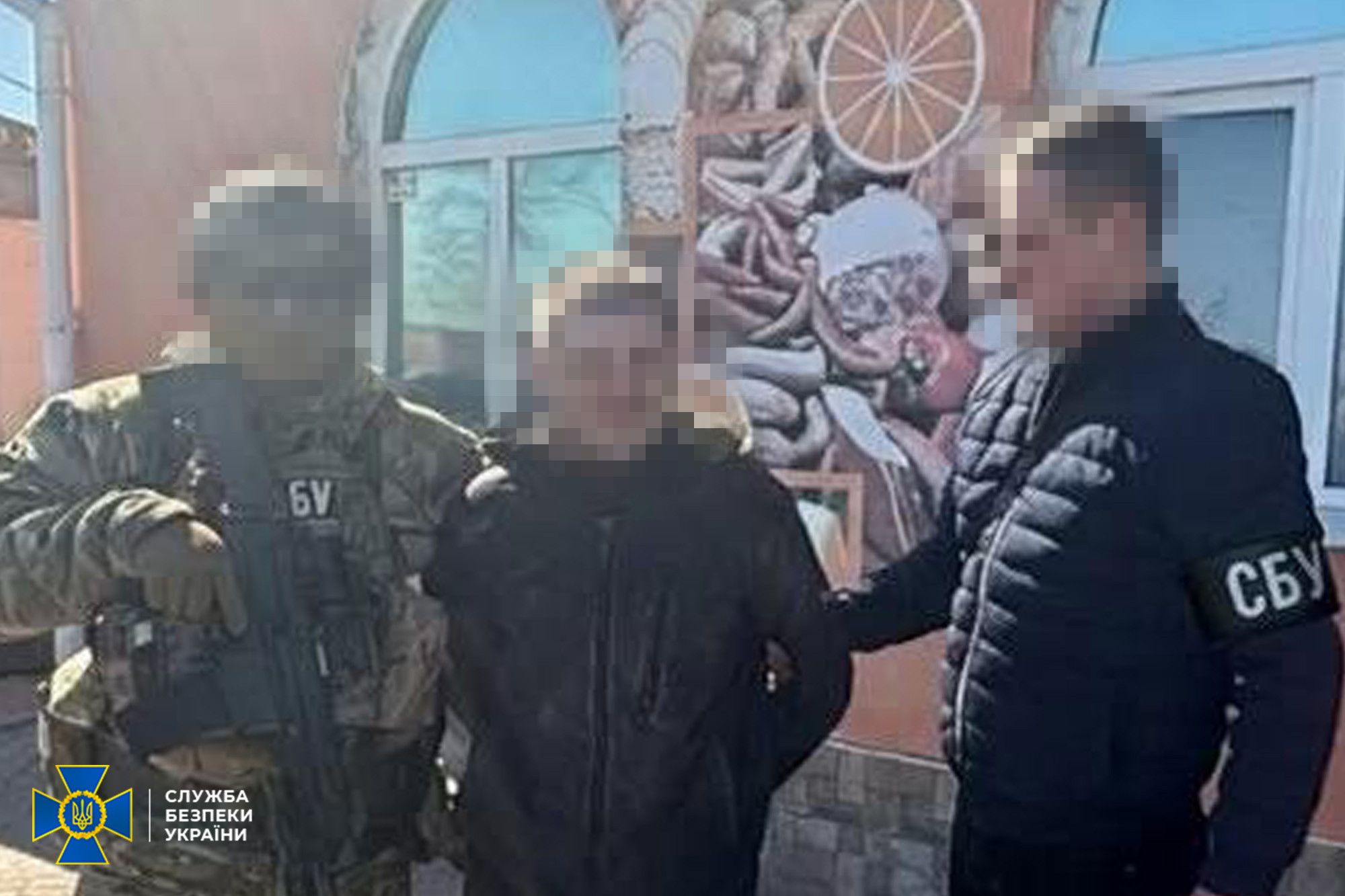
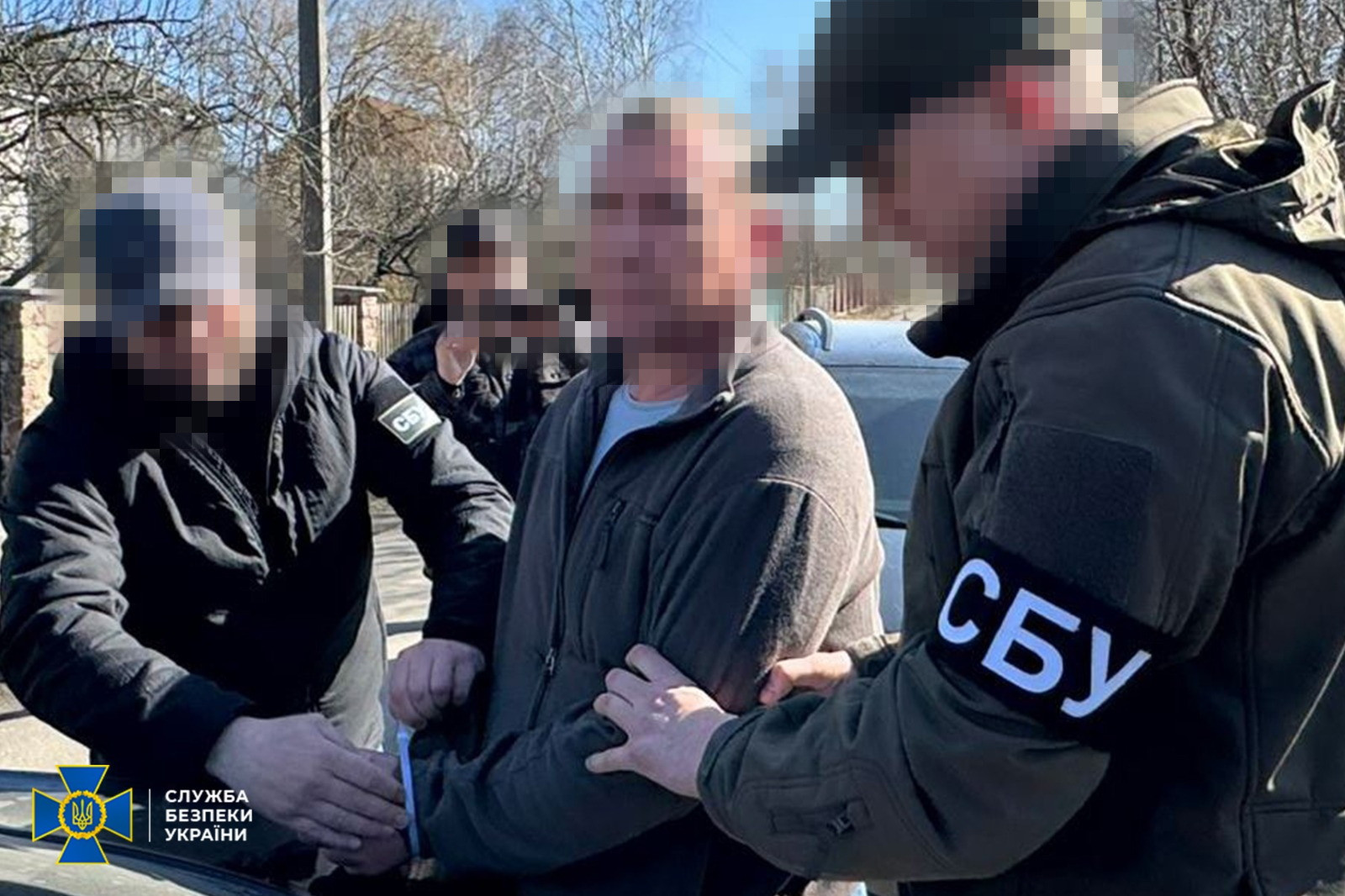
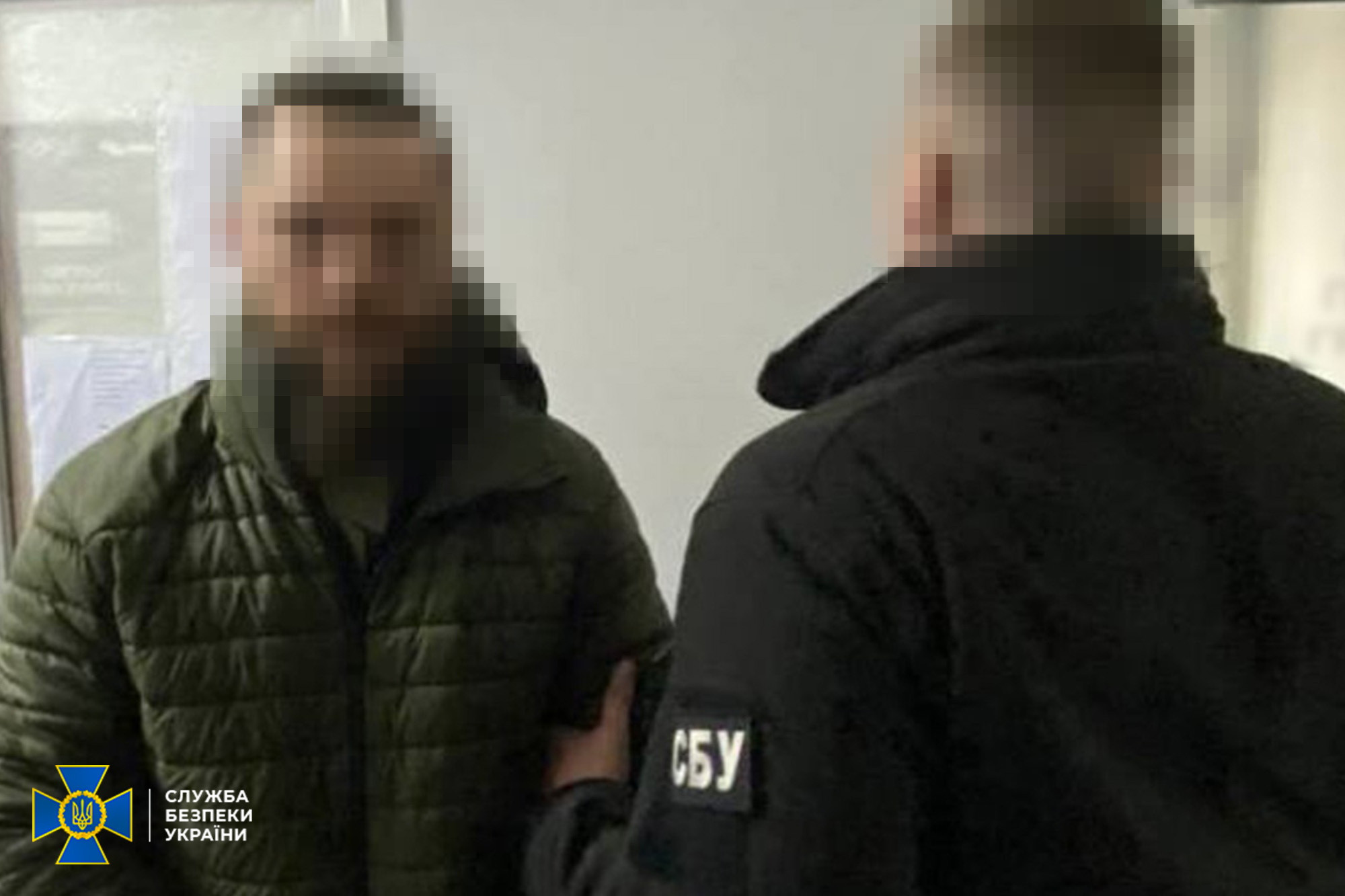
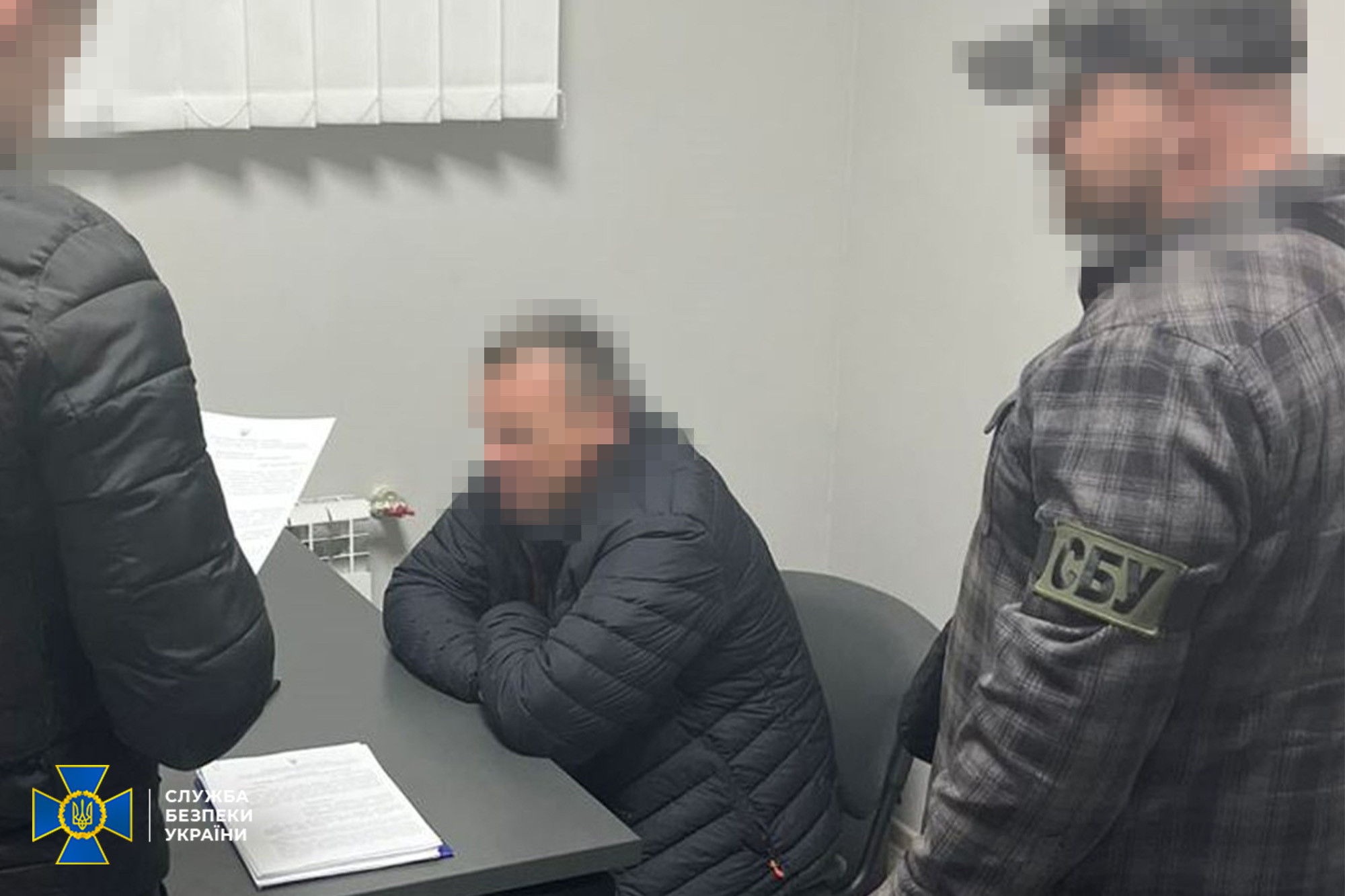
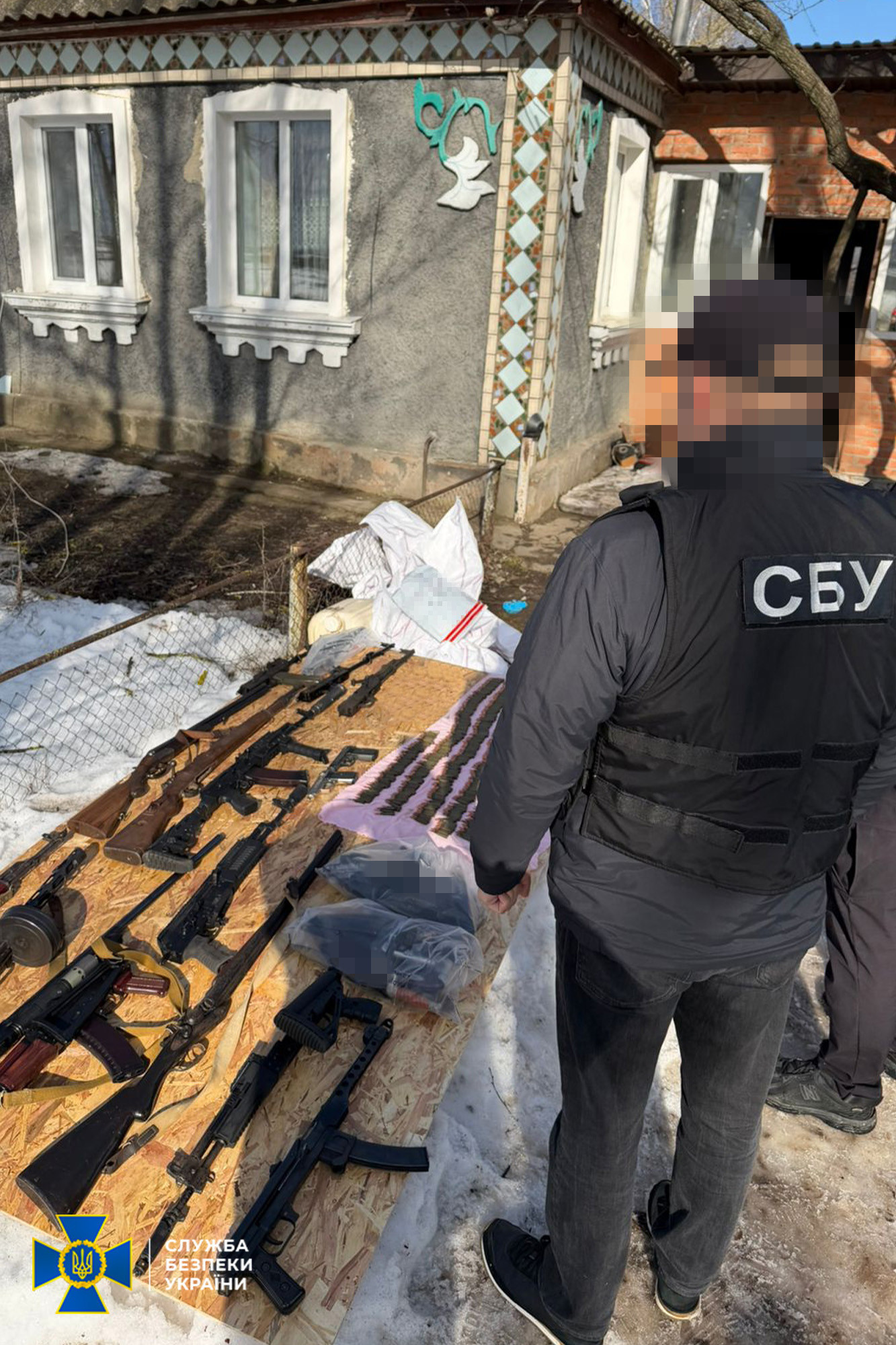
As a result of the operations, four suspects have been apprehended for trafficking weapons that had been illegally brought from frontline-adjacent and combat zones.
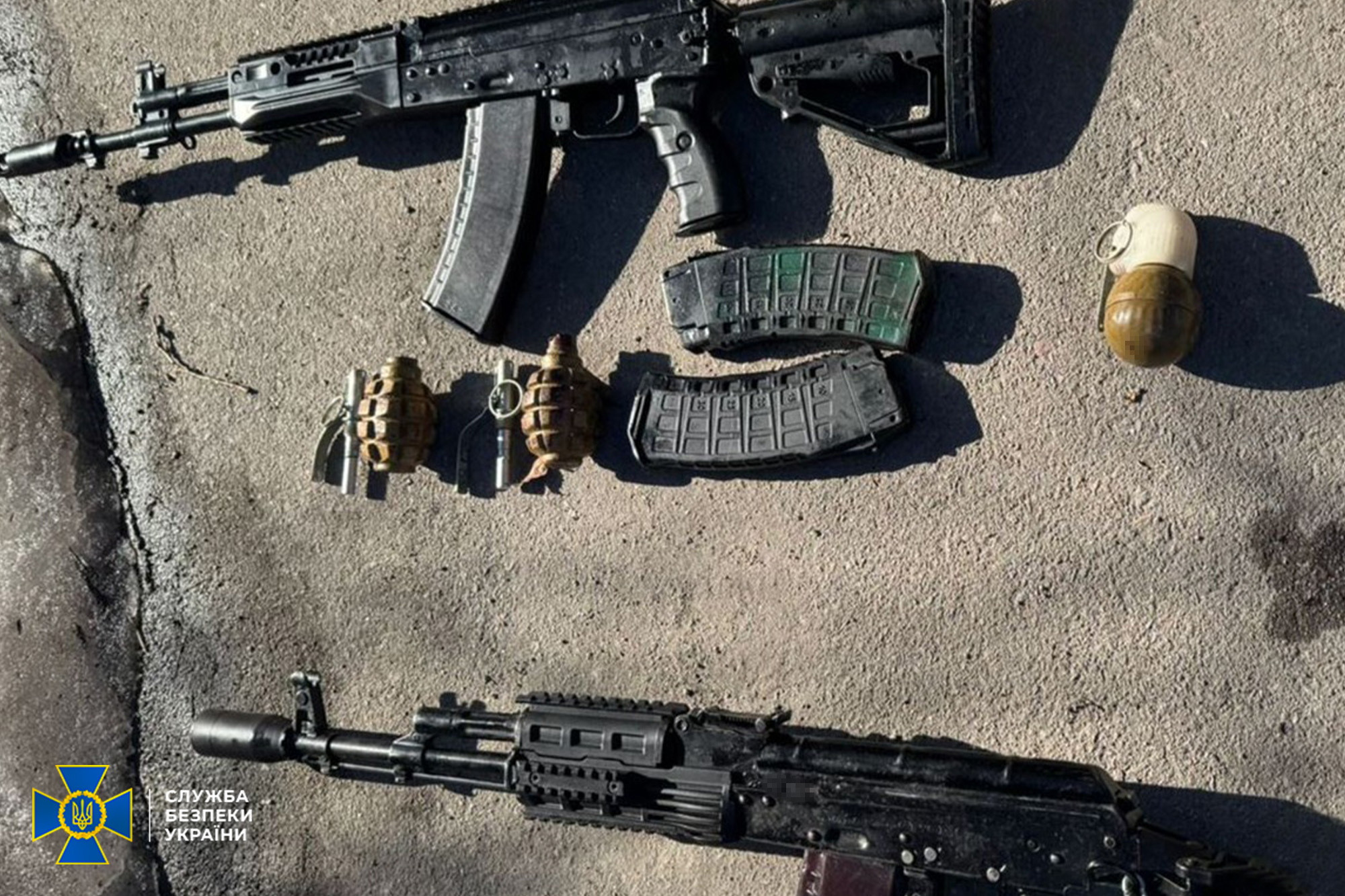
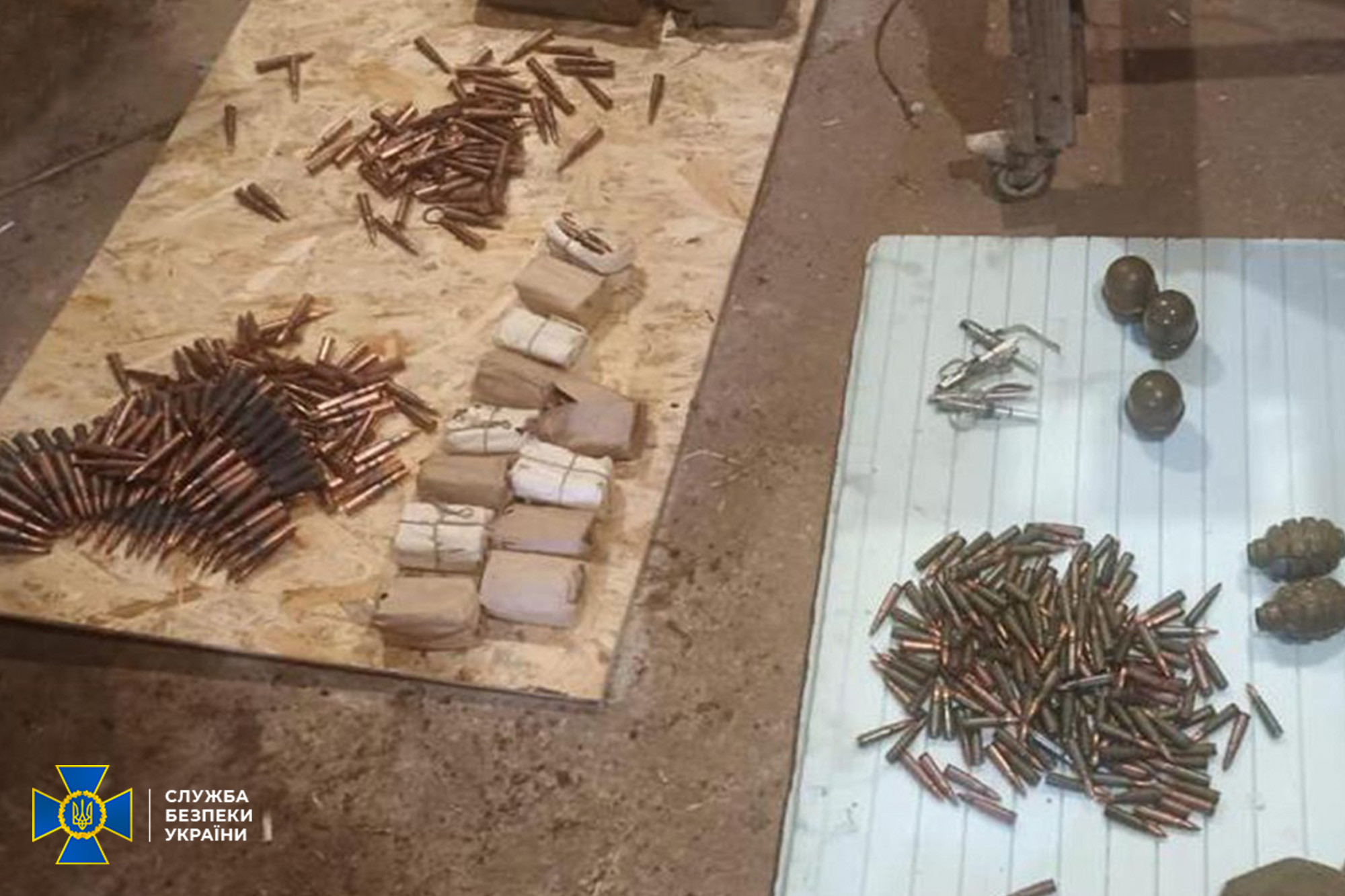
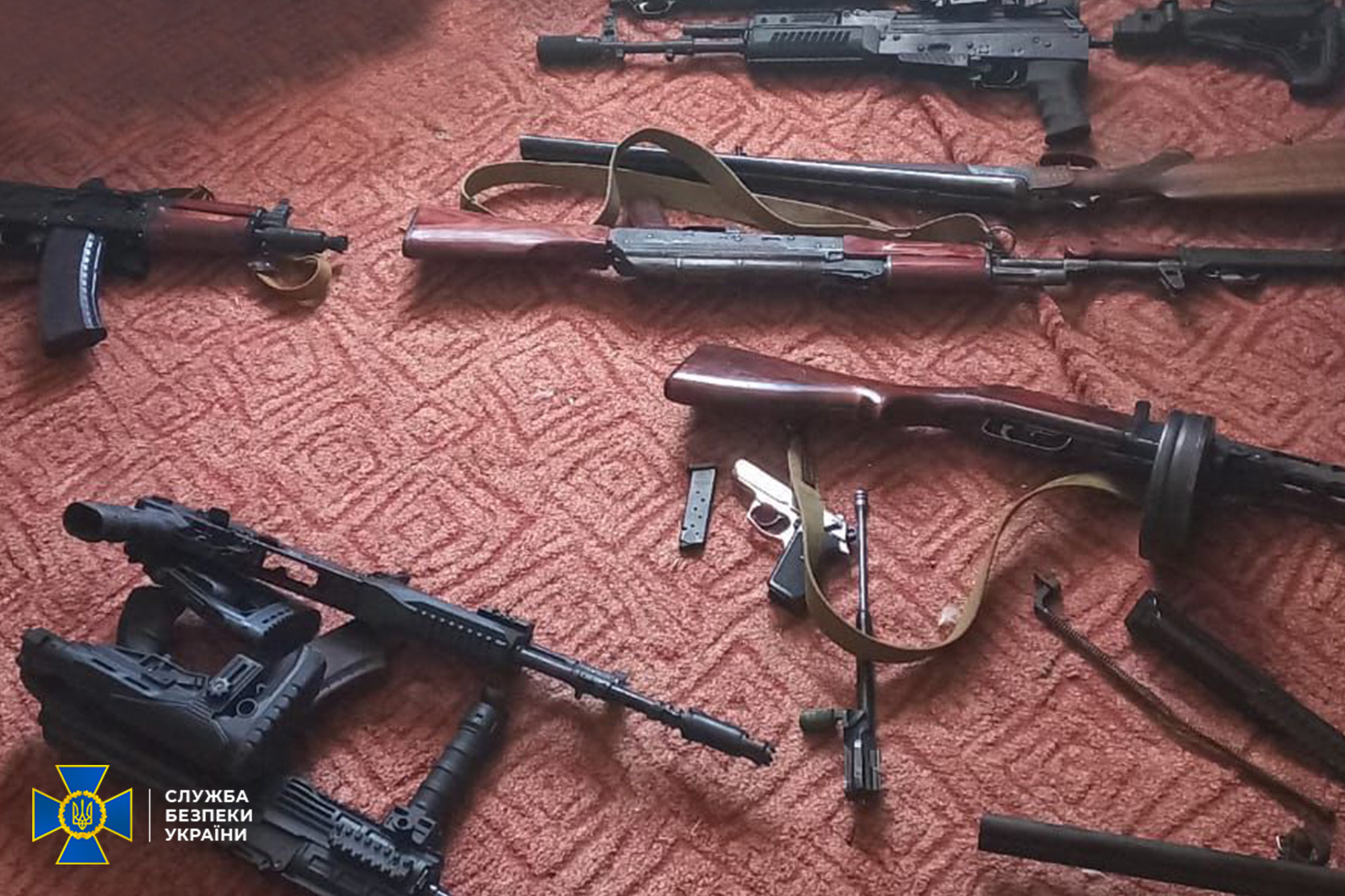
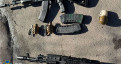
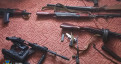
The items seized include russian-made Kalashnikov assault rifles equipped with silencers, an arsenal of F-1, RGD-5, and RGO combat grenades, and nearly 2,500 rounds of ammunition.
In Zhytomyr, the law enforcement detained a perpetrator who had set up a weapons cache in the garage of a private household and was actively seeking buyers.
He was caught in the act while attempting to sell three combat grenades and three russian assault rifles, including a modern AK-12 model.
Another suspect was identified in Kyiv region. He is a former serviceman from a Territorial Defence unit who, after discharge, organized clandestine weapons trade.
The investigation established that he dismantled weapons into components and shipped them to customers in separate parcels.
To conceal his activities, the trafficker declared the shipments as household goods and, after completing each transaction, deleted customer contact information and changed his SIM card.
In Dnipropetrovsk region, a conscript who had deserted his unit was detained after organising an illegal weapons distribution channel.
He had collected ‘trophy’ weapons during his service while his unit was deployed on the southern front.
In Vinnytsia region, a local restorer has been notified of suspicion of committing a crime. He set up a clandestine workshop in his home, where he restored weapons and ammunition for resale.
All the detainees have been served notices of suspicion under Article 263.1 of the CCU – illegal handling of weapons, ammunition, or explosives.
Additional charges are currently under consideration. The suspects face up to seven years in prison.
The operational and investigative activities were conducted under the procedural supervision of the Prosecutors’ Offices.