SSU and National Police dismantle another nine schemes of mobilisation evasion, detaining 15 organisers
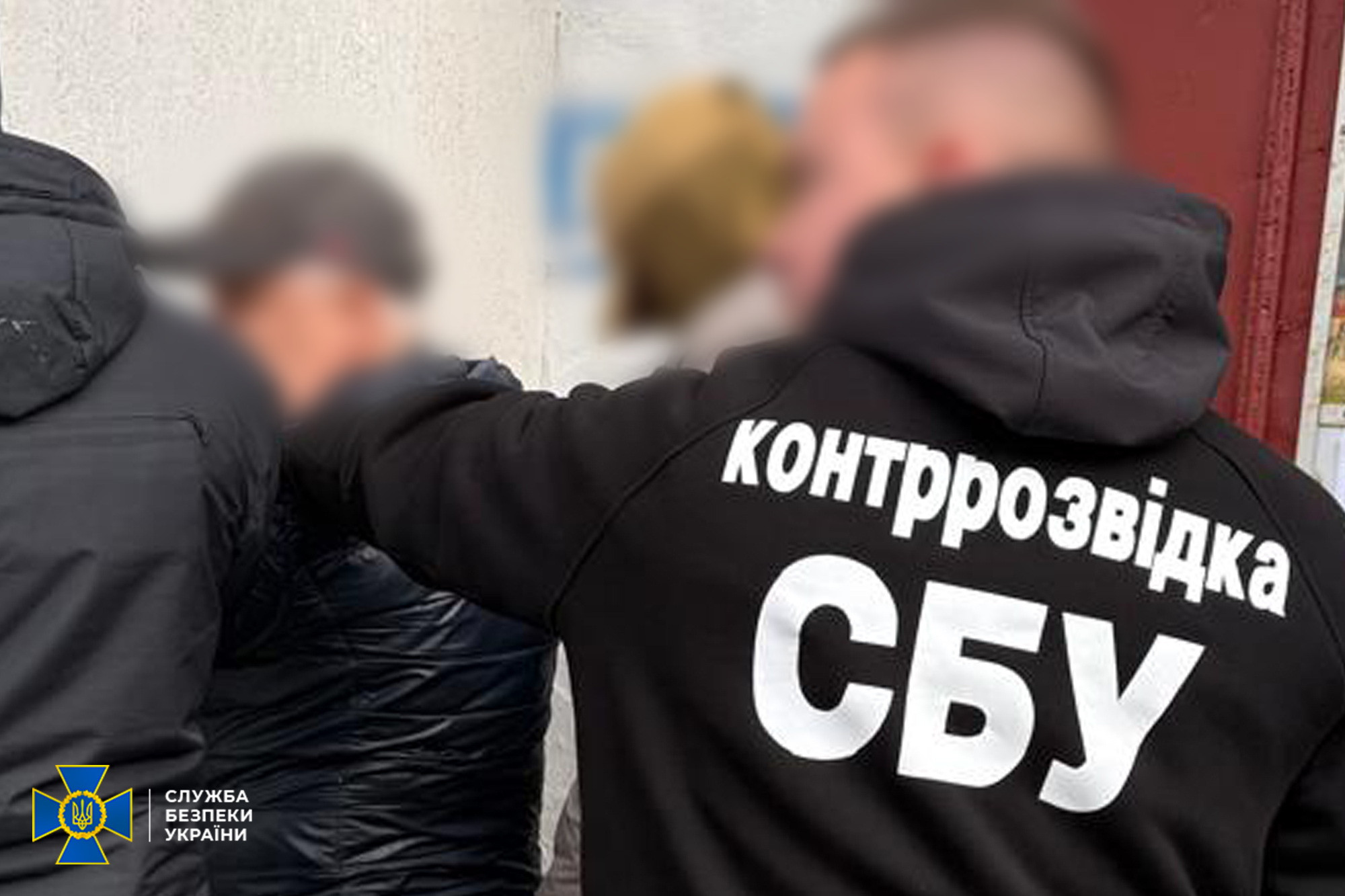
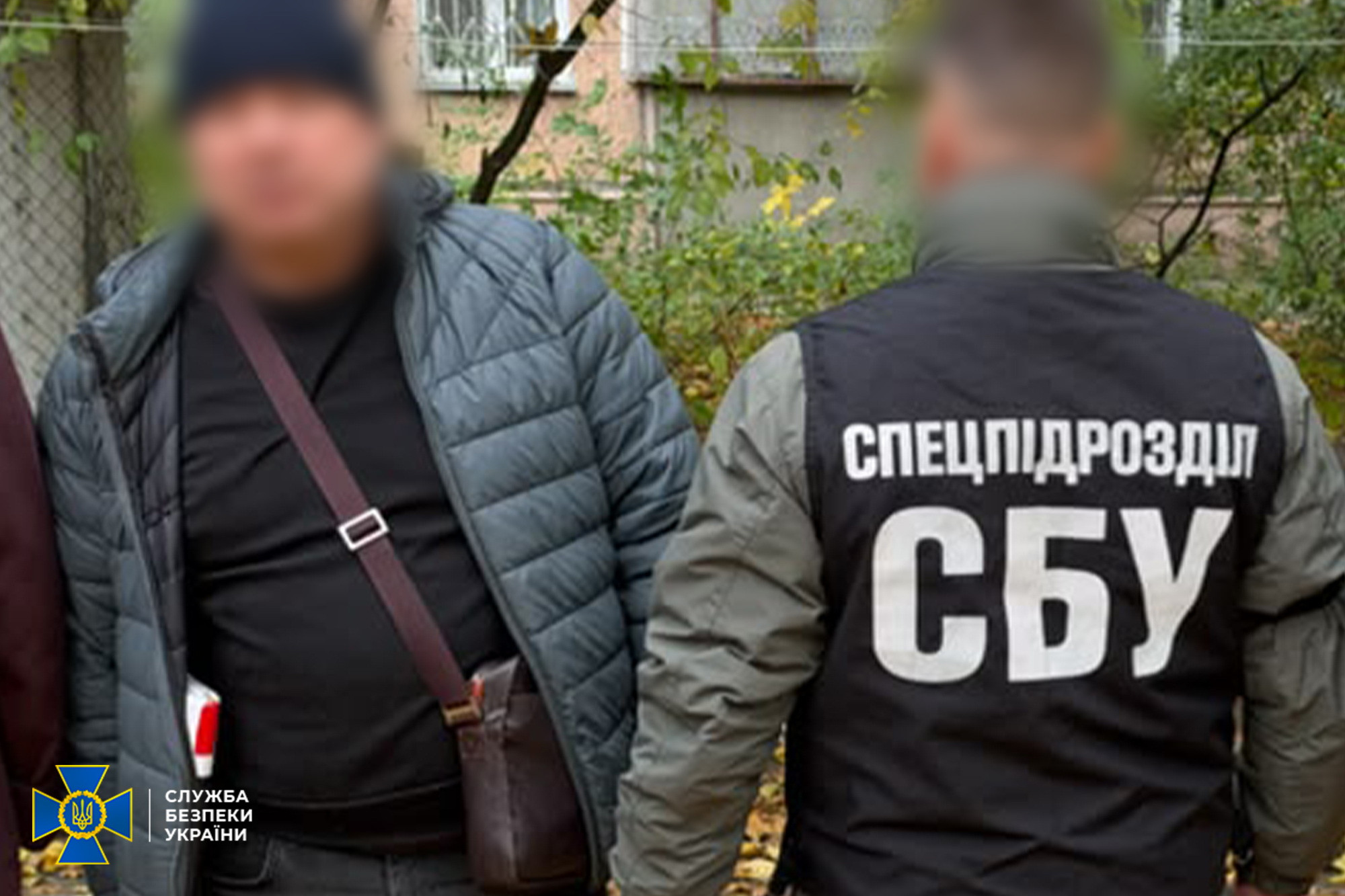
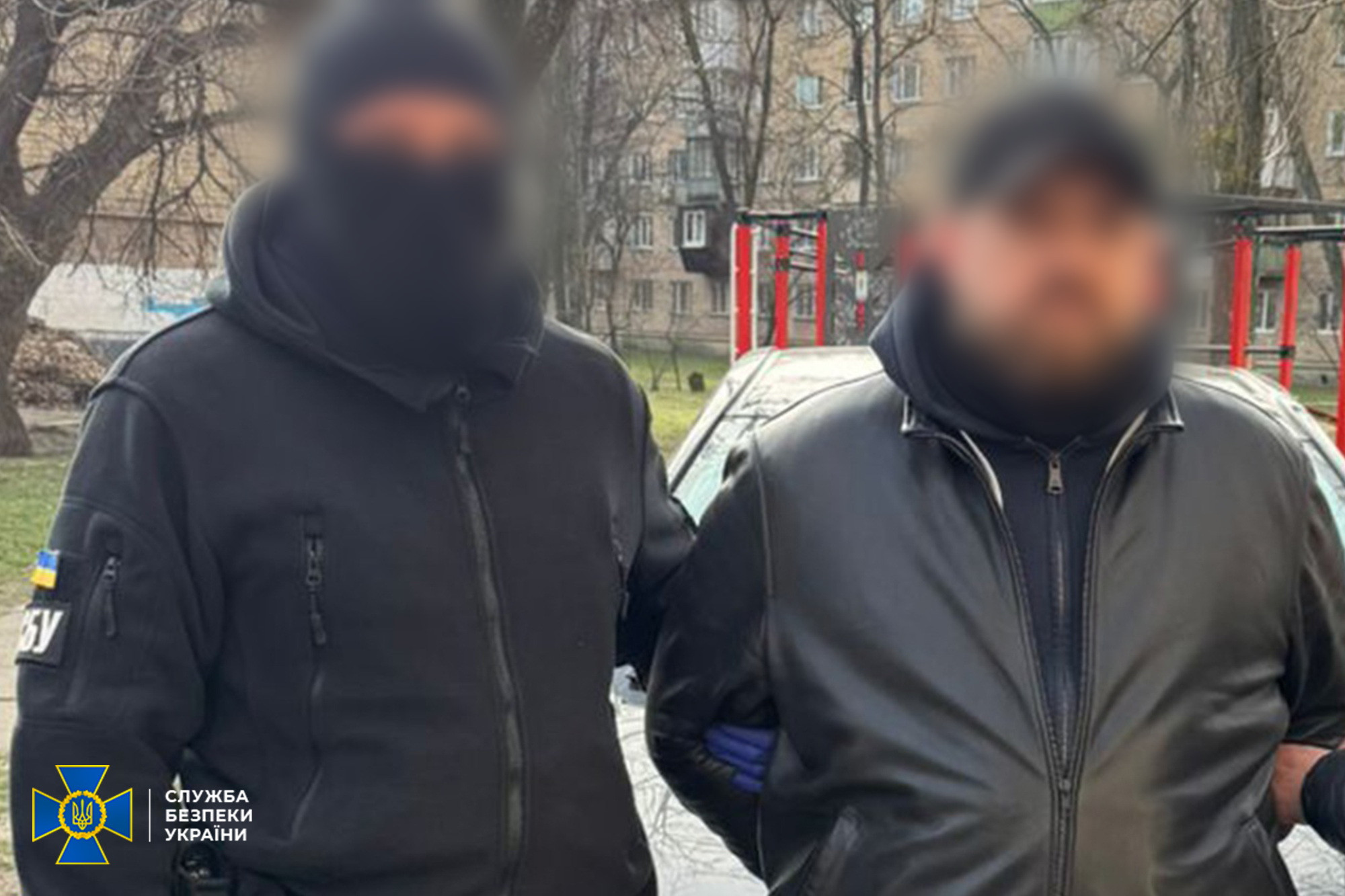
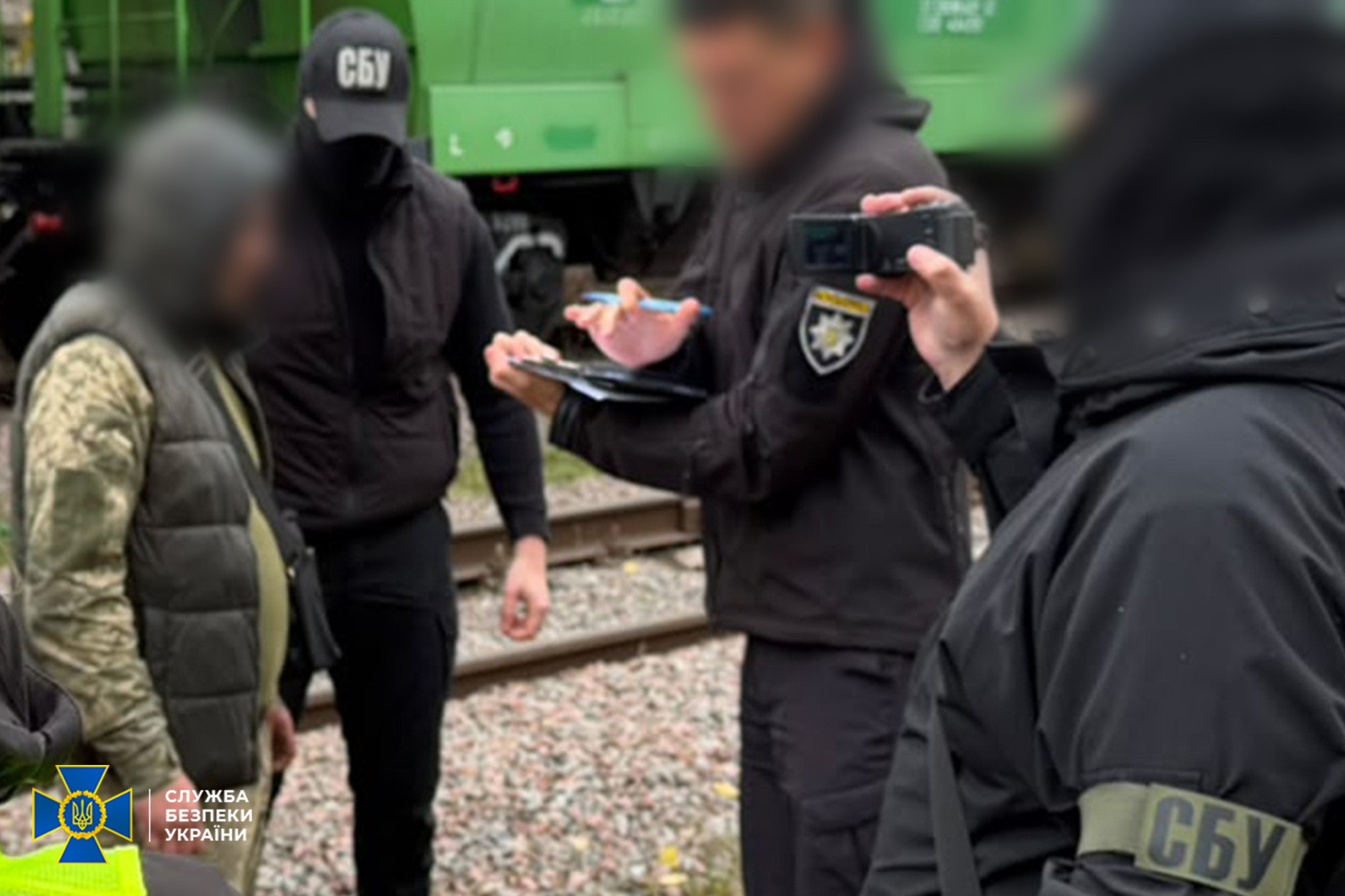
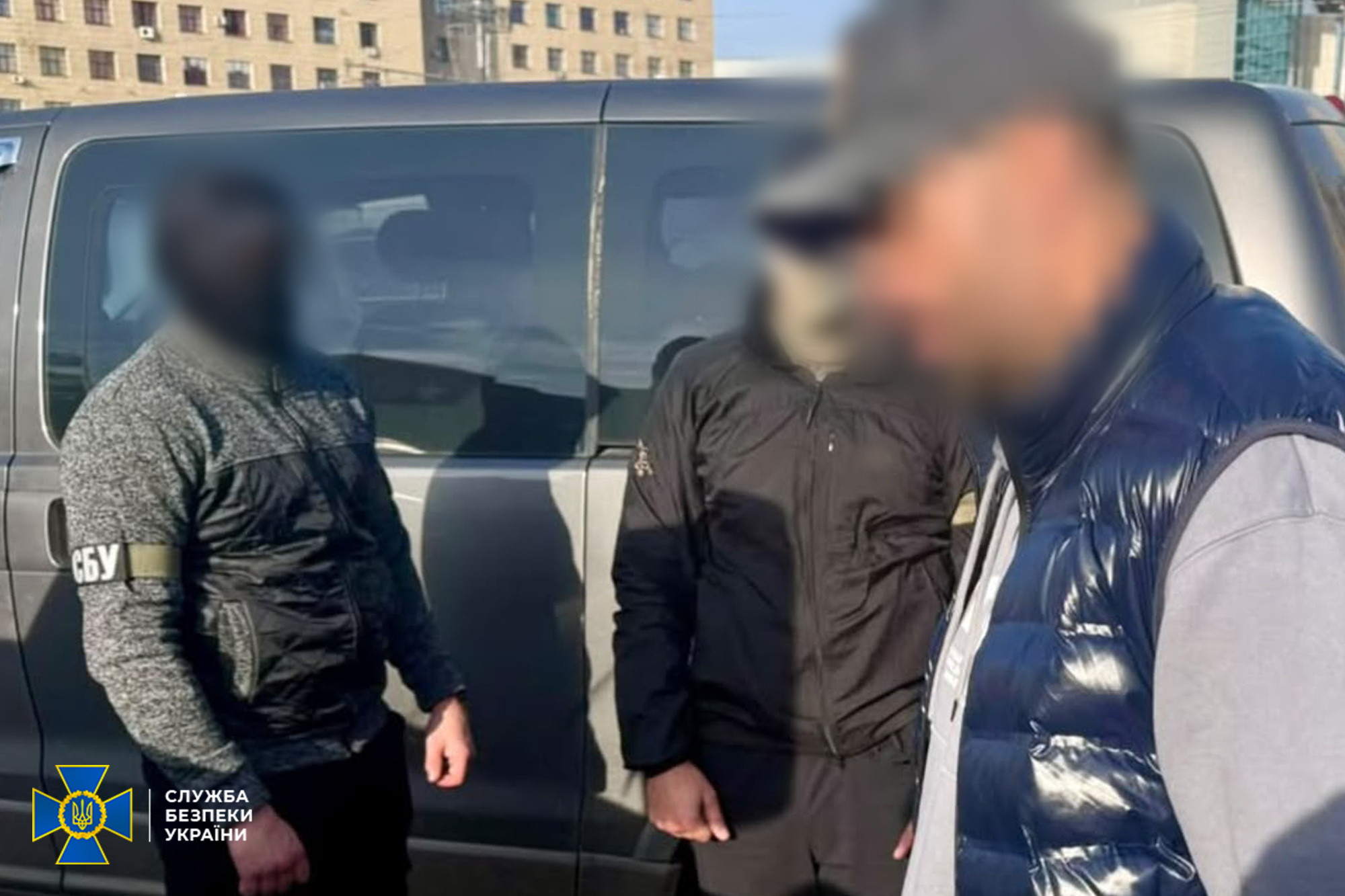
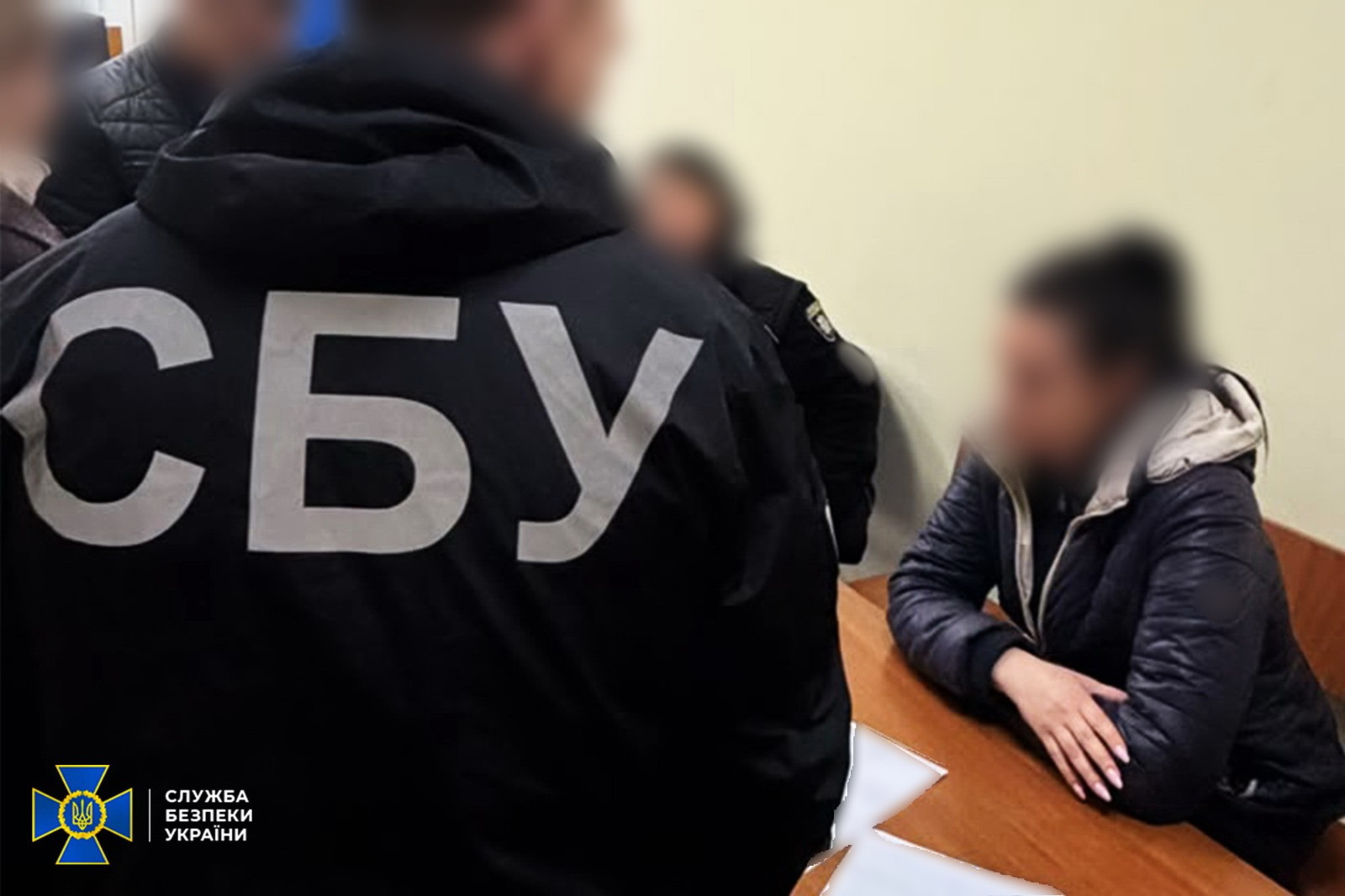
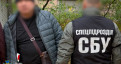
The Security Service, in conjunction with the National Police, has blocked nine new schemes for evading mobilisation and military service, detaining 15 organisers in several regions of Ukraine.
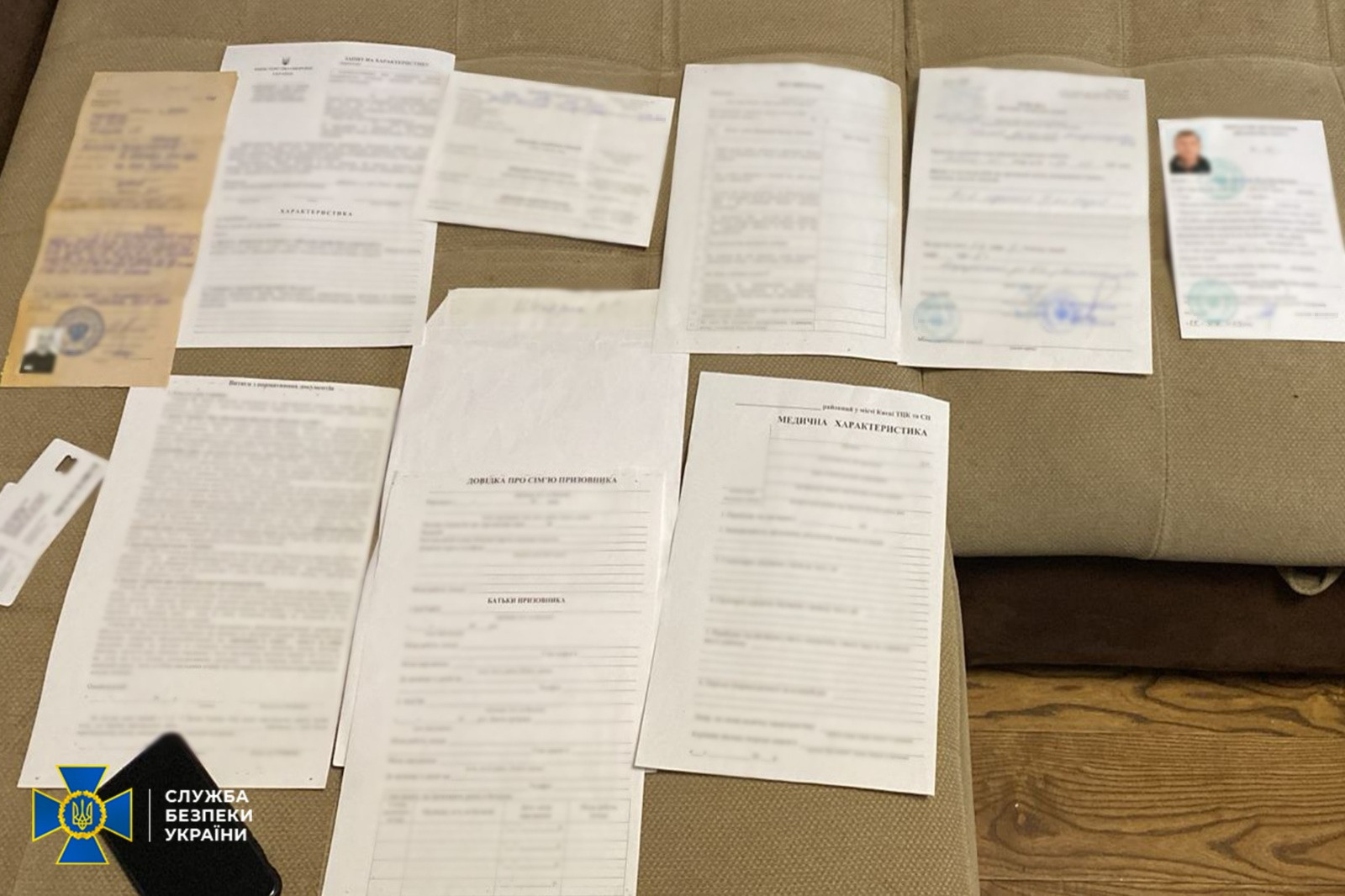
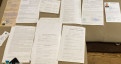
Five fraudsters were exposed in Kyiv – they had provided fake documents to draft dodgers stating they were unfit for service on health grounds and removed them from military registration. Two of these individuals, employed by the Territorial Recruitment Centres, have already been declared suspects in the spring.
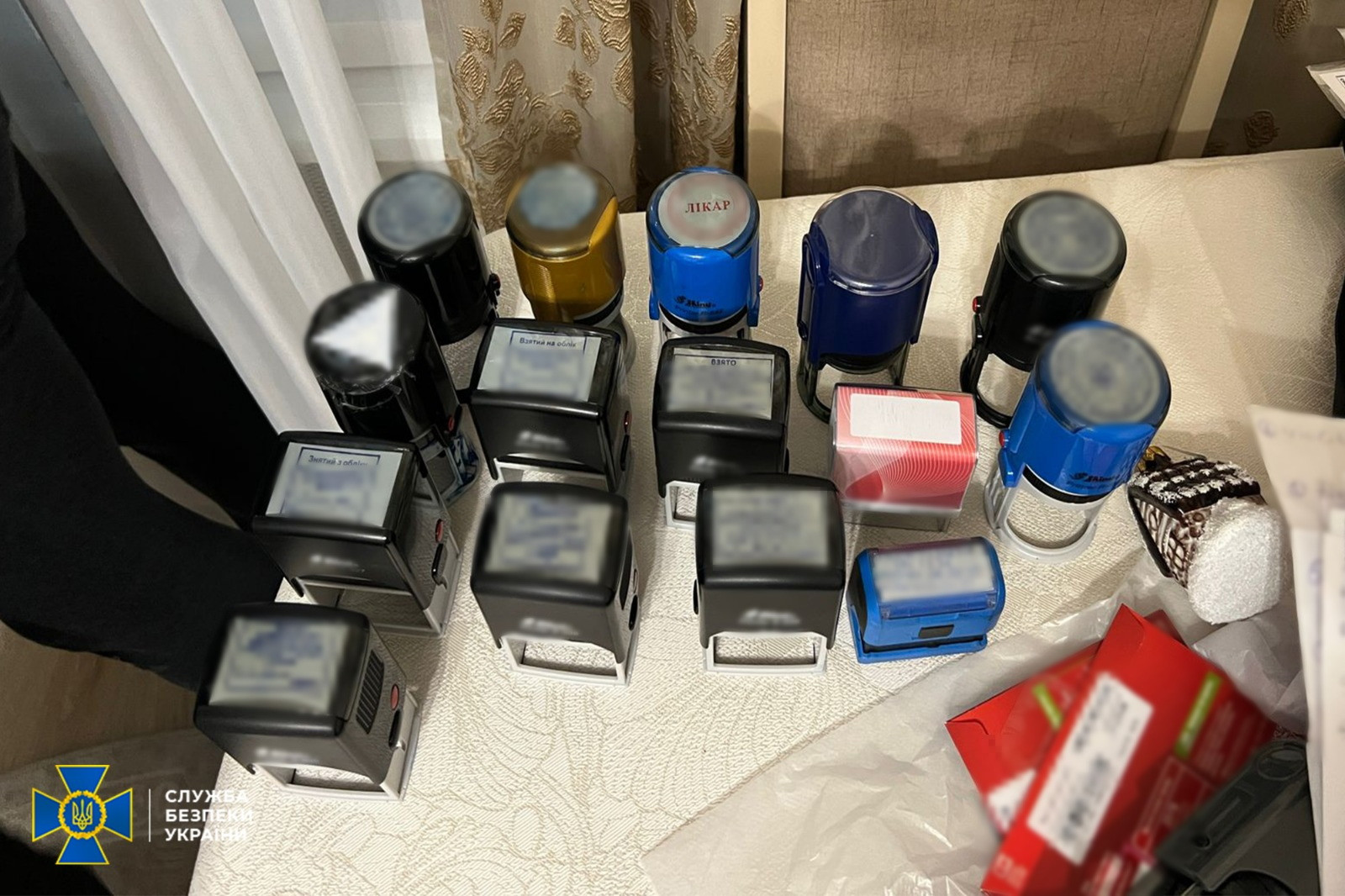
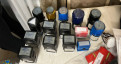
The perpetrators used forged seals and medical document forms and sent falsified Military Medical Commission reports to their ‘clients’ by post.
Eleven men of conscription age have been documented as having used this ‘scheme’ and left the country illegally.
In the Kyiv region, a military officer from a district Territorial Recruitment Centre was also arrested for demanding USD 1,500 to remove a draft dodger from the wanted list.
After receiving the bribe, the organiser of the scheme attempted to flee the police but was detained.
In Cherkasy, a city council official with a second-degree disability group was exposed for entering into a sham marriage with a conscript for USD 17,000. The man hoped this would result in a deferment from mobilisation on the grounds of caring for his ‘wife’.
In Kharkiv, the former head of a Military Medical Commission, a doctor from a military medical centre, and an intermediary were exposed for organising the illegal discharge of conscripts from service.
The suspects used their connections in military and civilian medical institutions to draw up fictitious medical reports stating that their clients were in ‘poor’ health.
In Odesa, a medical service major and his accomplice were arrested for helping potential conscripts to evade mobilisation by providing them with forged medical documents.
They promised to enlist the help of doctors they knew to issue ‘serious diagnoses’ and disability classifications to draft dodgers without an actual medical examination in exchange for USD 19,000.
In Khmelnytskyi, another trafficker offering men illegal passage out of Ukraine evading official border crossings was detained.
He promised to take a ‘client’ to a neighbouring country via forest paths along Ukraine’s south-western border for USD 20,000.
In the Rivne region, a local resident who had accompanied draft dodgers on foot to the border and provided step-by-step instructions on how to cross it evading the checkpoints through wooded areas was detained.
In the Zhytomyr region, a schoolteacher was arrested for administering a Viber group that was used to leak locations of checkpoints and movement routes of mobile units from the Territorial Recruitment Centres and law enforcement agencies.
Another suspect was detained in the Uzhhorod district. He is a local businessman who smuggled draft dodgers into the EU evading official border crossings.
The investigation revealed that the suspect met conscripts in Uzhhorod, transported them to the border area, and instructed on illegal methods of crossing into the EU outside official checkpoints.
Where necessary, he also hid the draft dodgers in his own home until they fled abroad.
The detainees have been notified of the charges against them under the Articles of the CCU:
- 114-1.1 (obstructing the lawful activities of the AFU and other military formations, during a state of emergency);
- 332.2, 332.3 (illegally smuggling persons across Ukraine’s state border);
- 362.2 (unauthorised actions involving information processed in automated systems by a person authorised to access such information);
- 368.3 (public officials receiving an unlawful benefit);
- 369-2.3 (trading in influence).
The organisers of the schemes face up to 10 years’ imprisonment with confiscation of property. The issue of bringing their ‘clients’ to criminal liability is also under consideration.
The operations were carried out jointly with the State Border Guard Service, under the procedural guidance of the Prosecutor General’s Office and the regional Prosecutor’s Offices.